
Chemical characterization
Working with supplied compound identities and chemical structures to describe chemical properties. Structure-derived calculations help characterize the information provided; they are not measurements of a physical sample.
 NeuroBotanicaBotanical research
Botanical research · Chemical characterization
Chemical characterization and evidence-informed reporting for laboratory and research professionals, with source information, interpretation, and limitations kept visible.
Powered by NeuroBotanica™
Cannabis first · Lab-led Track B
NeuroBotanica is a proprietary chemical characterization engine developed within Cloak & Quill Research. Cannabis is at the forefront of our current work, with a laboratory-led focus that extends to cultivators, processors and distributors. We call this focus Track B.
Its analytical work connects supplied chemical information with computed properties and evidence-informed reporting. The broader fungal, marine and plant research vision builds outward from this focus; it does not replace it.
A result does not explain itself. The next reader needs to know what material the information describes, what was measured or calculated, and how far an interpretation can reasonably go. NeuroBotanica's focus is that space between chemical information and informed professional review.
Working with supplied compound identities and chemical structures to describe chemical properties. Structure-derived calculations help characterize the information provided; they are not measurements of a physical sample.
Keeping the basis of an interpretation visible: what information was supplied, what could be characterized, and where information is missing. An incomplete result needs an explanation, not an appearance of certainty.
Presenting characterization outputs in PDF reports and structured data for further analysis. The purpose is to help another professional understand the result, its source and its limits—not simply to produce a polished document.
The reporting approach
Useful reporting makes its basis visible. The reader should be able to identify the source information, distinguish analytical output from interpretation, and see where further verification is needed.
This illustration shows how information can be organized for review. It contains no sample data or analytical results.
A framework for reading
The cannabis context
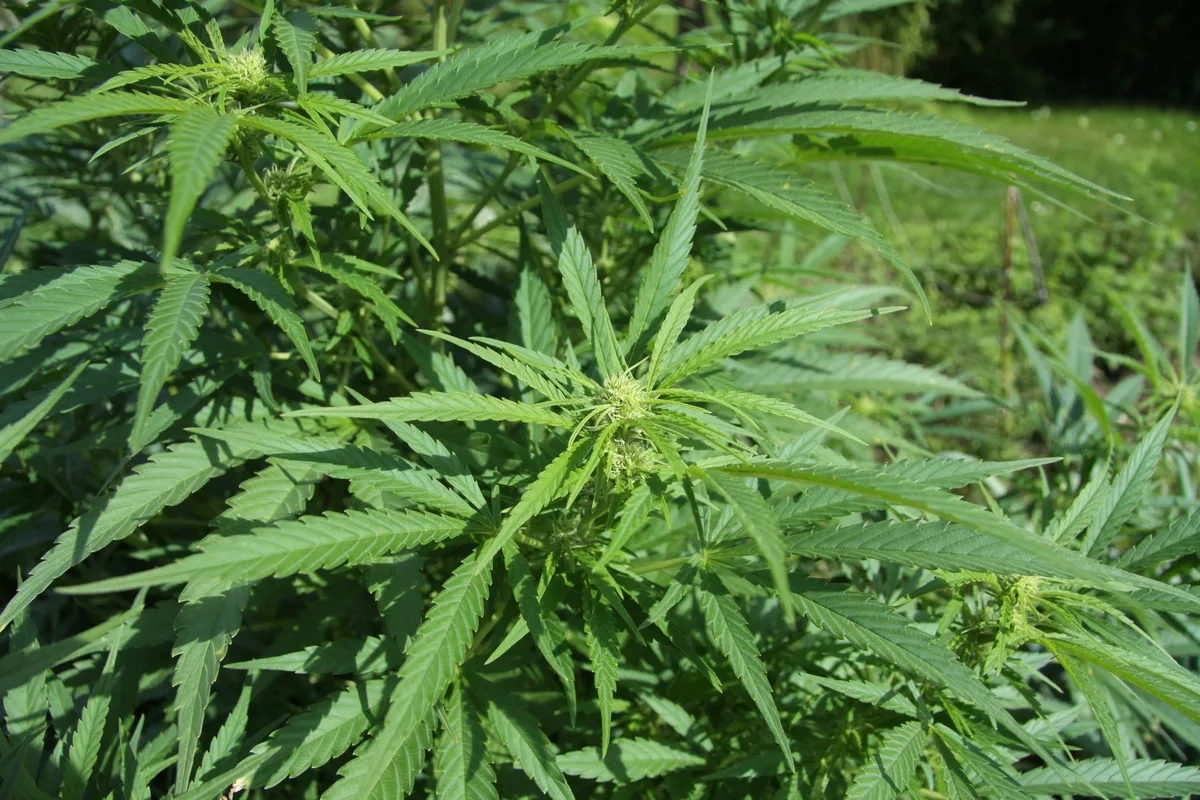
A certificate of analysis (COA) records laboratory results for a tested sample. Understanding that result also means asking which material it describes, where the supporting information came from, and what may have changed before the report reaches its next reader.
Our lab-led Track B focus addresses the analytical reporting needs of laboratories, cultivators, processors and distributors. The wider farm-to-dispensary vision is to keep useful chemical information connected to its context as it moves toward the retail endpoint—not to treat every report as an isolated document.
This describes the professional context and longer-term vision, not a claim of deployed end-to-end tracking, automated chain-of-custody verification or a live dispensary rollout.
Future development · Research, not released services
NeuroBotanica's long-term vision reaches beyond a single class of compounds. It explores computational approaches to discovery across cannabis, fungal, marine and plant materials—bringing chemical characterization into conversation with a broader body of scientific evidence.
Research goals are distinct from the scope of currently available analytical outputs. The directions below describe future development interests, not validated workflows across every domain or announced product launches.
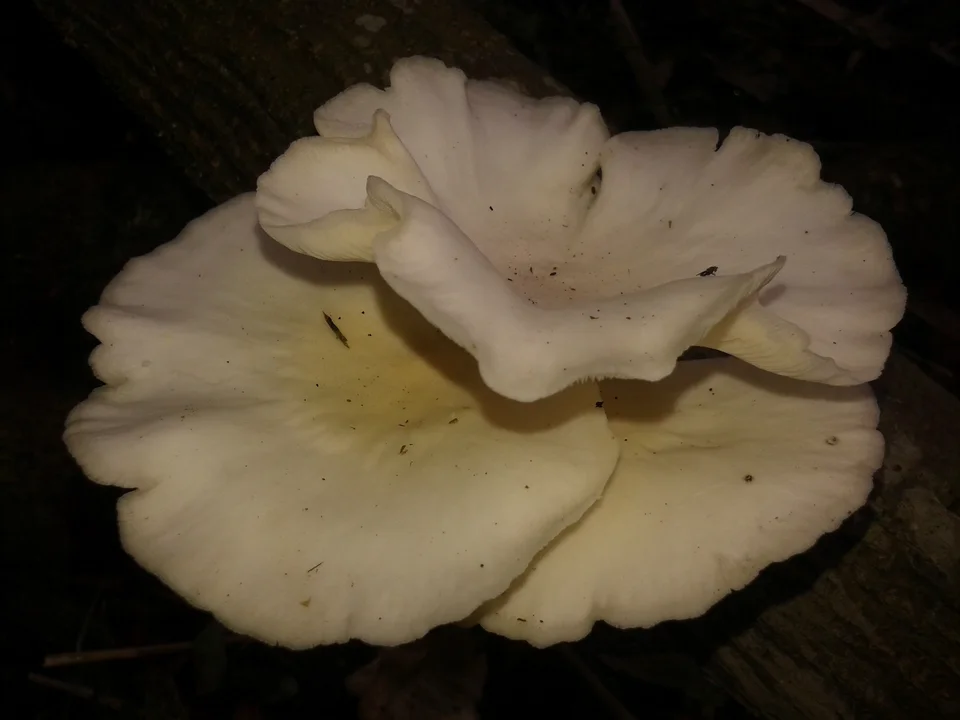
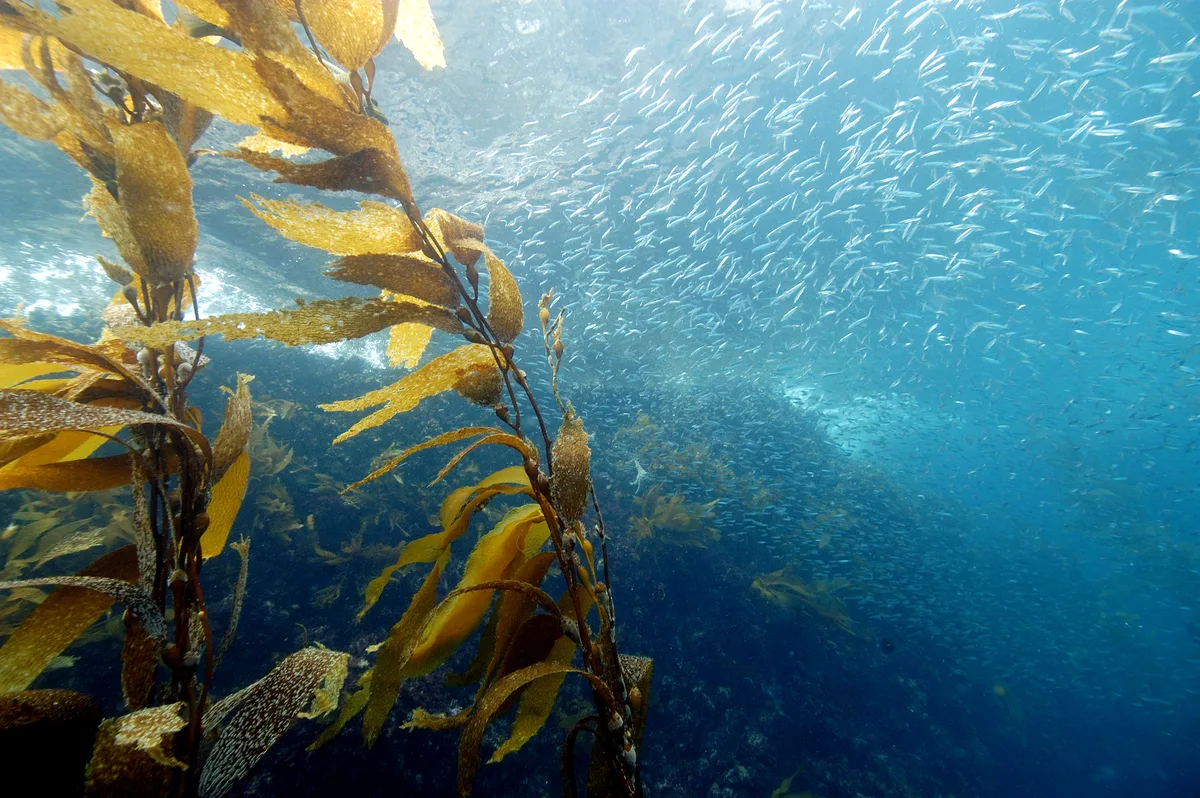
Documentary photographs of natural sources, not NeuroBotanica experiments or evidence of research outcomes.
Cannabis · Research direction
Cannabis chemistry is a starting point for the broader research vision. Future work aims to examine relationships among cannabinoids and terpenes, and to identify questions about compound combinations that merit further investigation.
Fungal · Research direction
The fungal direction includes beta-glucans and other mushroom-derived compounds. Exploratory computational modeling of interactions between cannabinoid and fungal compounds is a research interest, not a validated combination or treatment.
Marine · Research direction
Marine research interests include polysaccharides—complex carbohydrates—such as fucoidan, carrageenan and ulvan. The aim is to connect their chemical characteristics with published evidence and questions for future experimental study.
Plant · Research direction
Beyond cannabis, the research vision includes plant polysaccharides such as galactomannans. Future development aims to bring a wider range of botanical materials into evidence-informed characterization, without assuming that findings transfer unchanged between materials.
A longer-term aim is to explore how compounds from different natural sources may interact. That means examining uncertainty and possible adverse or absent effects, not assuming that a combination is beneficial. Computational hypotheses must be distinguished from laboratory findings and clinical evidence.
Future development depends on suitable evidence, validation and separate research approval. No launch dates, therapeutic outcomes or patient-ready combinations are promised.
From the organization
About NeuroBotanica
NeuroBotanica is an initiative of Cloak & Quill Research, a nonprofit research organization.
Our aim is to make botanical science more accessible and easier to assess: connecting chemical information, scientific evidence and clear explanation rather than leaving them in separate conversations.
That mission includes respect for the people and communities whose knowledge helps shape research. Consent, attribution and responsible use of source information guide that ambition.
About Cloak & Quill ResearchContact


